Noise-induced hearing loss (NIHL) is one of the most common occupational illnesses worldwide. It develops when workers are repeatedly exposed to loud sounds that damage the delicate hair cells in the inner ear. Unlike temporary hearing changes after a loud event, prolonged exposure can lead to permanent hearing loss and tinnitus (ringing in the ears). Occupations involving machinery, engines, power tools, or explosive noise carry the greatest risk.
Some of the most common jobs associated with noise-induced hearing loss include:
- Construction Workers
Construction workers are frequently exposed to noise from jackhammers, bulldozers, concrete saws, drills, and heavy equipment. Many of these tools produce noise levels above 85 decibels (dB), the threshold at which prolonged exposure can begin damaging hearing. Without proper hearing protection, repeated exposure can result in permanent hearing loss (Centers for Disease Control and Prevention [CDC], 2024). - Manufacturing and Factory Workers
Employees in manufacturing plants often work around stamping presses, conveyor systems, metal fabrication equipment, and industrial machinery that generate continuous high noise levels. Daily exposure over months or years significantly increases the risk of occupational hearing loss (National Institute for Occupational Safety and Health [NIOSH], 2024). - Mining Workers
Mining operations expose workers to drilling equipment, blasting, crushing machines, and heavy vehicles. These environments often combine continuous and sudden impact noises, making miners one of the highest-risk occupational groups for NIHL (CDC, 2024). - Agricultural Workers
Farmers and agricultural workers regularly operate tractors, harvesters, chainsaws, grain dryers, and other loud machinery. Because many agricultural workers spend long hours using equipment without consistent hearing protection, they face an increased risk of hearing damage (National Institute on Deafness and Other Communication Disorders [NIDCD], 2023). - Military Personnel and Law Enforcement
Military members and some law enforcement officers are exposed to firearms, explosions, aircraft engines, and combat-related noise. These sounds can exceed 140 dB, causing immediate and permanent hearing damage if adequate protection is not used. Hearing loss and tinnitus are among the most common service-related disabilities for military veterans (NIDCD, 2023). - Transportation Workers
Workers in airports, railways, trucking, and public transportation encounter constant noise from aircraft engines, trains, diesel engines, and maintenance equipment. Long-term exposure to these noise sources increases the likelihood of developing hearing loss (CDC, 2024). - Musicians and Entertainment Workers
Professional musicians, concert staff, nightclub employees, and sound technicians are often exposed to loud music for extended periods. Continuous exposure to sound levels above safe limits can damage hearing over time, even in recreational settings (World Health Organization [WHO], 2022).
Why These Jobs Cause Hearing Loss
These occupations commonly cause hearing loss because they expose workers to either:
- Continuous loud noise, such as machinery operating throughout a work shift.
- Impulse noise, including explosions, gunfire, or hammer strikes that create sudden, intense sound waves.
The risk of hearing damage depends on both the loudness of the noise and the duration of exposure. Sounds above 85 dB can begin causing hearing damage after prolonged exposure, while sounds above 120–140 dB may cause immediate injury. Repeated exposure destroys the sensory hair cells in the cochlea, which do not regenerate, making noise-induced hearing loss permanent. Wearing properly fitted hearing protection, reducing exposure time, and participating in hearing conservation programs are effective ways to reduce this risk (NIOSH, 2024).
What can you do to mitigate or treat the problem?
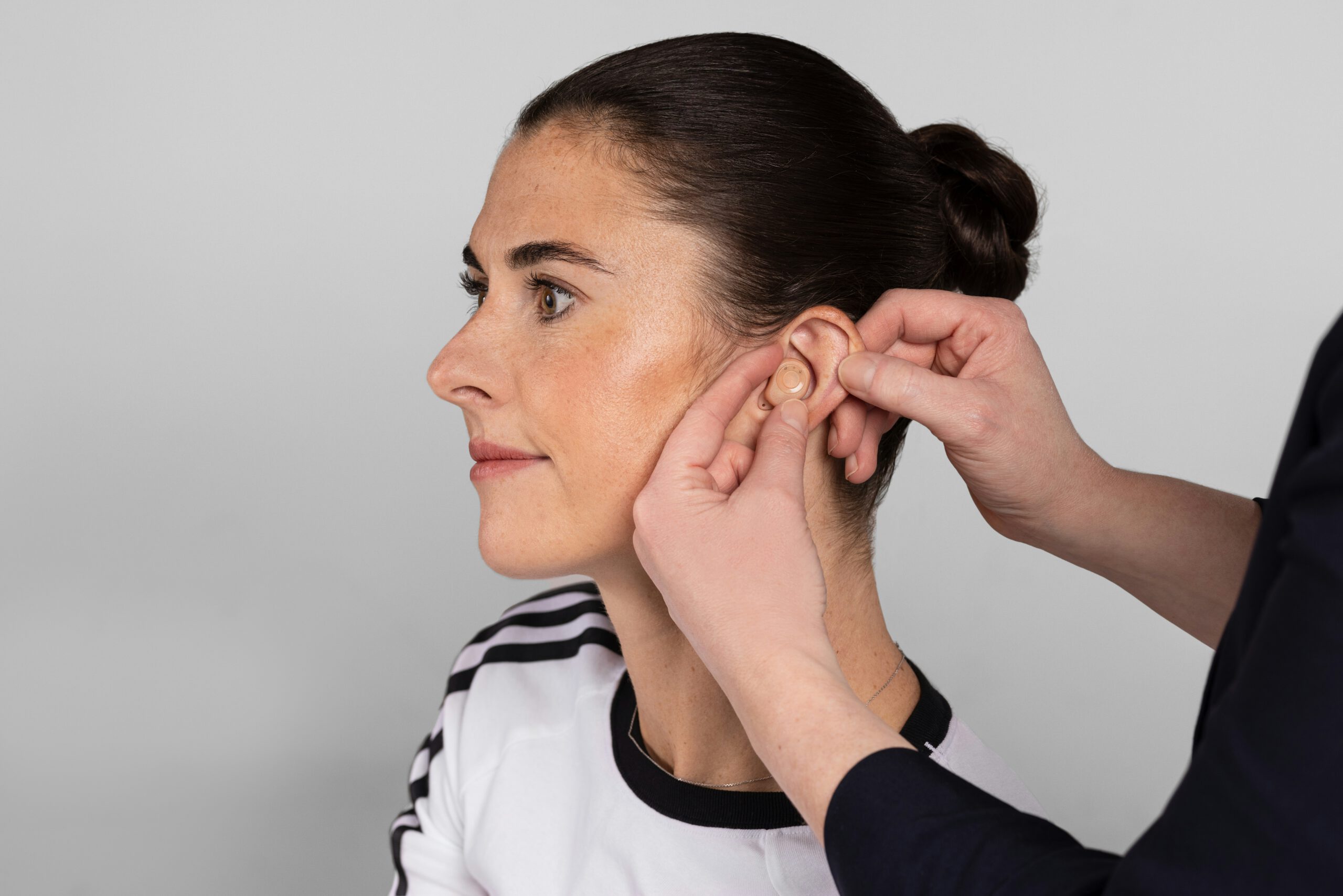
- Wear hearing protection. Consult with health and safety staff on the appropriate hearing protection available to you. Custom hearing protection is a great option as it is made specifically for your ears for optimal sound reduction.
- Regular hearing tests to monitor your hearing and track any changes.
- Look into third party support such as DVA (Veterans Affairs) or WCB (Worker’s Compensation) for assistance in purchasing hearing aids if you have a work related hearing loss.
If you suspect you have a noise-induced hearing loss or are looking for ways to prevent one, contact us for more information, to book a comprehensive hearing evaluation, get fitting for custom hearing protection, or to learn more about possible DVA or WCB support.
No content on this site, regardless of date, should ever be used as a substitute for direct medical advice from your doctor or other qualified clinician.
References
Centers for Disease Control and Prevention. (2024). Noise and hearing loss prevention. https://www.cdc.gov/niosh/noise/
National Institute for Occupational Safety and Health. (2024). Occupational noise exposure. https://www.cdc.gov/niosh/topics/noise/
National Institute on Deafness and Other Communication Disorders. (2023). Noise-induced hearing loss. https://www.nidcd.nih.gov/health/noise-induced-hearing-loss
World Health Organization. (2022). World report on hearing. https://www.who.int/publications/i/item/world-report-on-hearing