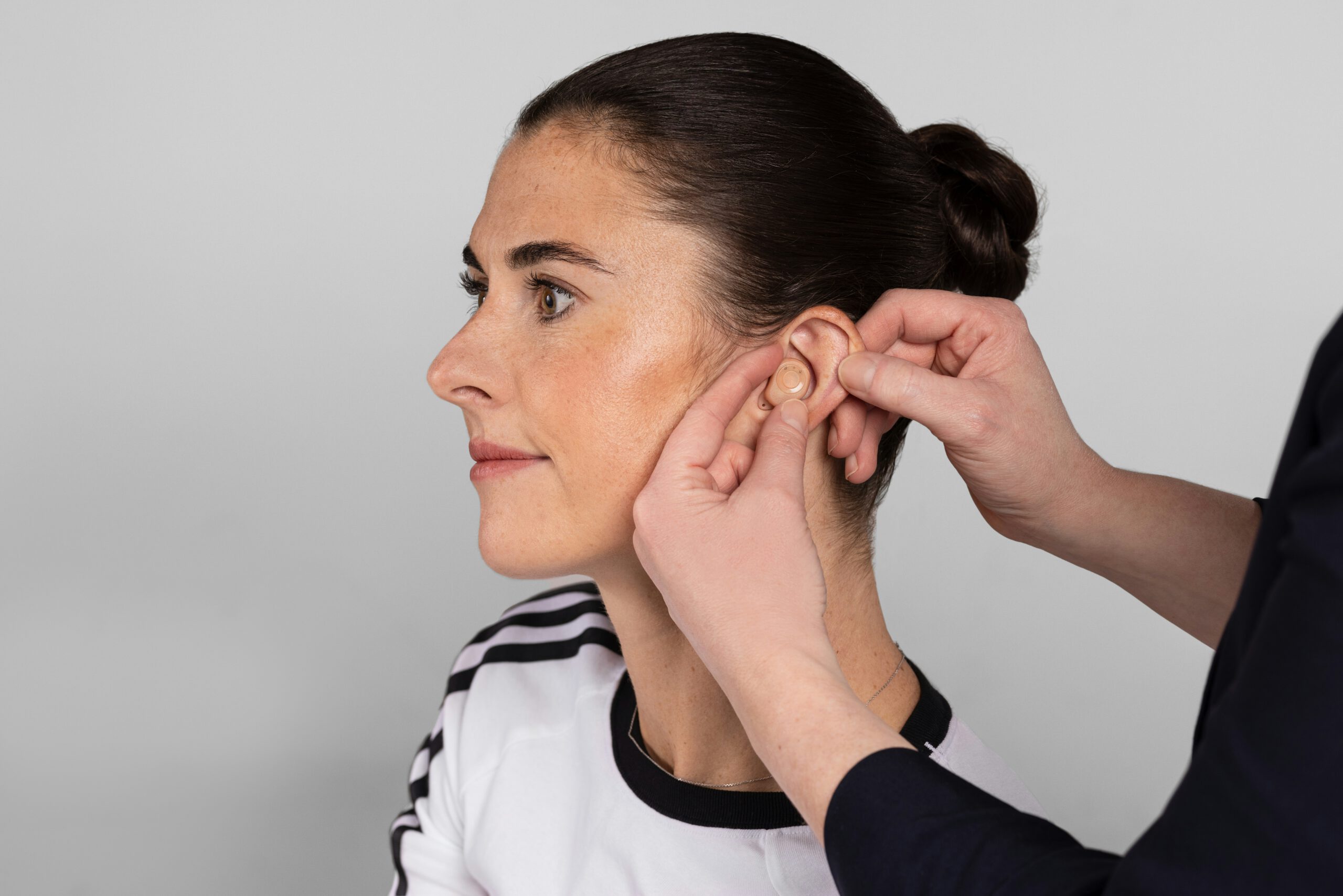
Hearing aid batteries play an essential role in keeping your hearing aids working reliably throughout the day. Whether your devices use disposable batteries or a rechargeable system, understanding how to care for them can help prevent unexpected interruptions and support your hearing experience.
Types of Hearing Aid Batteries
There are two main types of hearing aid power systems:
- Disposable zinc-air batteries: These small, button-shaped batteries are available in four common sizes: size 10 (yellow), size 312 (brown), size 13 (orange), and size 675 (blue). Always check your hearing aid manual to confirm the correct size. Also make sure you are aware of the expiry date. Although they can be used past that date, they will likely not last as long as usual.
- Rechargeable batteries: These hearing aids are placed in a compatible charging case or dock, usually overnight, so they are ready for use the next day. Battery life varies depending on the model and features used.
(University of California, San Francisco, EARS Program, 2026).
How to Make Your Batteries Last Longer
A few simple habits can help you get the best performance from your hearing aid batteries:
- Wait after removing the sticker. For disposable zinc-air batteries, remove the tab and wait approximately one minute before inserting the battery. Follow the instructions provided with your specific battery.
- Store batteries properly. Keep unused batteries in their original packaging in a cool, dry place at room temperature. Avoid excessive heat and humidity.
- Turn off your hearing aids when not in use. If your device has a disposable battery, opening the battery door when the hearing aid is not being worn may help conserve power and release moisture. Follow your device’s instructions.
- Charge rechargeable hearing aids regularly. Place them correctly in their charging case and check that charging has started.
- Carry a spare when appropriate. If your hearing aids use disposable batteries, carrying a spare set can help you avoid interruptions when you are away from home.
(University of California, San Francisco, EARS Program, 2026).
Battery Safety Matters
Keep all loose batteries out of reach of children and pets. Never carry disposable batteries loose alongside coins or keys, as contact with metal objects can cause a short circuit. Used batteries should be disposed of or recycled according to local guidance.
If a battery is swallowed, seek emergency medical attention immediately.
When Should You Replace a Battery?
If your hearing aids begin to sound weak, cut out intermittently, or give a low-battery warning, check the battery or charging status first. If replacing a disposable battery or fully charging the device does not resolve the problem, the issue may involve blocked microphones, earwax, moisture, or another device fault. Your hearing care professional can help identify the cause.
Conclusion
Good battery care helps keep your hearing aids ready when you need them. By choosing the correct battery, storing it properly, following charging instructions, and practicing safe handling, you can reduce avoidable interruptions and get more reliable performance from your hearing devices.
If your rechargeable hearing aids are not lasting the whole day, try cleaning out the ports of the charging case, or trying a different power outlet. Your hearing healthcare professional can also troubleshoot whether or not they are in need of repair.
If you want to learn more about battery vs rechargeable hearing aids and what might be best for you, contact us today.
No content on this site, regardless of date, should ever be used as a substitute for direct medical advice from your doctor or other qualified clinician.
Reference
University of California, San Francisco, EARS Program. (2026). Battery care & recharging. https://ears.ucsf.edu/en/devices/battery-care-recharging