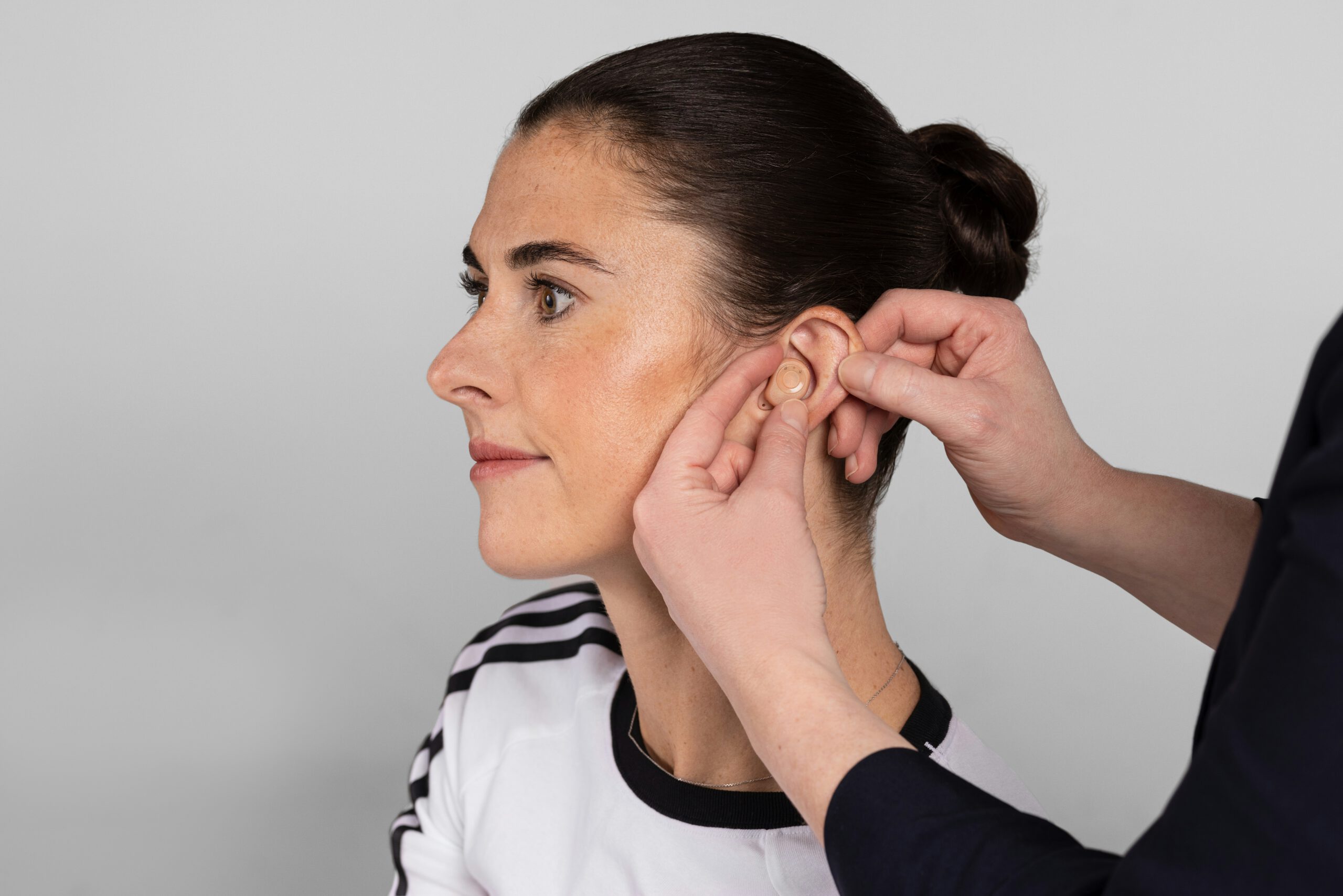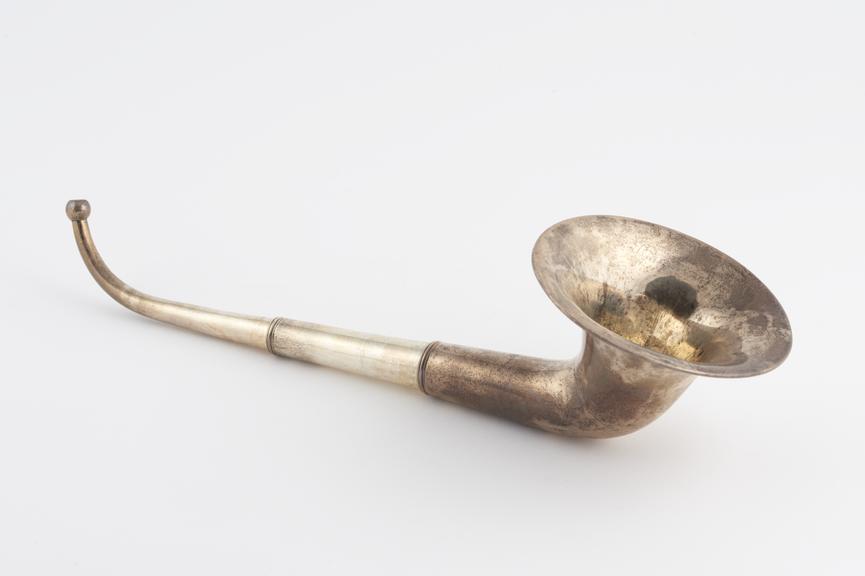
Ever wonder how hearing actually works? Here is a quick breakdown of how sound travels through our ears allowing us to hear, then comprehend exactly what we are hearing. The process of hearing requires four main structures; the outer ear, the middle ear, the inner ear, and the brain.
1. Sound Enters the Ear (Outer Ear)
Sound waves are collected by the pinna (auricle) and travel through the ear canal until they hit the tympanic membrane (eardrum). The eardrum vibrates in response to these sound waves.
2. Vibrations Amplified (Middle Ear)
The vibrations move through three tiny bones called the ossicles; malleus (hammer), incus (anvil), and stapes (stirrup). These bones amplify the sound and transmit it to the inner ear via the oval window.
3. Fluid Movement (Inner Ear)
The vibrations enter the cochlea, which is a spiral-shaped, fluid-filled structure. Inside the cochlea the movement of the fluid stimulates tiny hair cells. These hair cells convert mechanical vibrations into electrical signals.
4. Signals to the Brain – Interpretation of Sounds
The electrical signals travel along the auditory nerve to the brain, where they are interpreted as sound.
A full, diagnostic hearing assessment evaluates how well sounds can be identified and processed as it relates to all these structures. The results of the assessment will allow your hearing healthcare professional to identify the type (conductive, sensorineural or mixed) and degree of your potential hearing loss.
Contact us today for a no obligation hearing test. Hearing healthcare is preventative healthcare!
No content on this site, regardless of date, should ever be used as a substitute for direct medical advice from your doctor or other qualified clinician.
References:
National Institute on Deafness and Other Communication Disorders. (2021). How do we hear?
https://www.nidcd.nih.gov/health/how-do-we-hear