Have you ever heard a ringing, buzzing, humming, or whistling sound in your ears when no one else could hear anything? If so, you may have experienced tinnitus. For some people, tinnitus is temporary and barely noticeable. For others, it can become a persistent condition that affects sleep, concentration, emotional well-being, and quality of life.
Tinnitus is a common auditory condition that can affect people of different ages and backgrounds. Although there is currently no single treatment that reliably eliminates tinnitus for everyone, several evidence-based approaches can help reduce its impact and make it easier to manage. Understanding what tinnitus is, what causes it, and which treatments are available is an important first step toward finding relief.
What Is Tinnitus?
Tinnitus is the perception of sound without an external sound source. It is commonly described as ringing in the ears, but the sounds can also include buzzing, hissing, roaring, clicking, humming, or whistling. Some people experience tinnitus in one ear, others in both ears, and some perceive it as coming from inside their head.
Tinnitus is generally classified into two categories:
- Subjective tinnitus: The most common type, in which only the affected person can hear the sound. It is often associated with changes in hearing or the auditory system.
- Objective tinnitus: A much less common type in which a sound may be detectable by a clinician, sometimes because of an underlying physical or vascular process.
Tinnitus may be intermittent, occurring occasionally, or persistent, continuing for months or years. Its severity also varies. While some individuals adapt to the sound without significant difficulty, others experience distress, sleep disruption, anxiety, or difficulty concentrating (National Institute on Deafness and Other Communication Disorders [NIDCD], n.d.).
Importantly, tinnitus is a symptom rather than a disease in itself. Identifying possible underlying causes can help determine the most appropriate treatment.
What Causes Tinnitus?
Tinnitus can have several causes, and more than one factor may contribute to an individual’s symptoms. Although researchers continue to investigate the mechanisms involved, tinnitus is frequently associated with changes in the auditory system.
1. Hearing Loss and Changes in the Auditory System
Hearing loss is one of the most common conditions associated with tinnitus. Age-related hearing changes and damage to the delicate sensory cells in the inner ear can alter the signals sent to the brain. In response, the brain may change how it processes auditory information, contributing to the perception of sound when no external sound is present.
This helps explain why tinnitus often occurs alongside hearing difficulties, although it can also develop in people who do not notice any hearing loss (NIDCD, n.d.).
2. Exposure to Loud Noise
Exposure to loud music, machinery, power tools, firearms, or other intense sounds can damage structures in the inner ear. Tinnitus may occur after a single episode of very loud noise or after repeated exposure over time.
People who work in noisy environments or regularly attend loud concerts may be at increased risk if they do not use appropriate hearing protection. Protecting hearing is therefore an important part of preventing noise-related tinnitus and further auditory damage.
3. Earwax Buildup and Ear Infections
A buildup of earwax can block the ear canal and interfere with normal hearing. Ear infections and fluid behind the eardrum can also affect hearing and contribute to tinnitus. When tinnitus is related to a treatable ear problem, addressing that problem may reduce or eliminate the symptoms.
For this reason, a healthcare professional should examine the ears rather than assuming that tinnitus is caused by permanent hearing damage (NIDCD, n.d.).
4. Medications
Certain medications can cause or worsen tinnitus, particularly at specific doses. Examples include some nonsteroidal anti-inflammatory drugs, certain antibiotics, some cancer treatments, and other medications that can affect hearing.
The likelihood of tinnitus depends on the medication, dose, duration of use, and individual circumstances. Anyone who suspects that a medication is contributing to tinnitus should speak with a healthcare professional before changing or discontinuing it.
5. Medical Conditions and Physical Factors
Tinnitus can sometimes be associated with other medical conditions, including:
- Ménière’s disease and other inner-ear disorders.
- Jaw joint problems, including temporomandibular joint (TMJ) disorders.
- Head or neck injuries.
- Certain blood vessel abnormalities or changes in blood flow.
- Less commonly, neurological or structural conditions affecting the auditory pathways.
Tinnitus that pulses in time with the heartbeat, known as pulsatile tinnitus, deserves particular attention because it may be associated with blood flow or vascular conditions that require further evaluation.
6. Stress, Anxiety, and Sleep Difficulties
Stress and anxiety do not explain every case of tinnitus, but they can influence how distressing the sound becomes. When a person is anxious, tired, or under stress, they may pay more attention to the tinnitus and find it harder to ignore. Poor sleep can then increase daytime fatigue and emotional distress, creating a cycle that makes the condition more difficult to manage.
The relationship between tinnitus and emotional well-being is complex. Psychological support can help reduce distress even when the perceived sound itself does not disappear (Tunkel et al., 2014).
How Is Tinnitus Diagnosed?
The first step toward managing tinnitus is an appropriate assessment. A family physician or other qualified healthcare professional can review symptoms, examine the ears, and look for possible underlying causes. Depending on the findings, referral to a hearing healthcare professional or an ear, nose, and throat (ENT) specialist may be appropriate.
Assessment may include:
- Medical history: Questions about when the tinnitus began, whether it affects one or both ears, noise exposure, medications, and other symptoms.
- Ear examination: Checking for earwax, infection, fluid, or other visible abnormalities.
- Hearing assessment: Audiological testing to identify hearing loss or other hearing difficulties.
- Additional investigations: Imaging or other tests when symptoms or examination findings suggest a specific underlying condition.
Not everyone needs imaging. The appropriate investigations depend on the individual’s symptoms and clinical findings. A comprehensive assessment helps identify treatable causes and guides decisions about management (American Academy of Otolaryngology–Head and Neck Surgery Foundation [AAO-HNSF], 2026).
How Can Tinnitus Be Treated?
There is no universal cure for tinnitus, but treatment can help reduce its impact, improve sleep, and support everyday functioning. The most suitable approach depends on the underlying cause, whether hearing loss is present, and how much tinnitus affects the person’s life.
1. Treating the Underlying Cause
When a specific, treatable condition is identified, addressing it may improve tinnitus.
For example, a healthcare professional may remove impacted earwax, treat an ear infection, or evaluate a medication that may be contributing to symptoms. If tinnitus is related to a jaw joint problem, appropriate treatment for that condition may also help.
Treating an underlying cause does not guarantee that tinnitus will disappear, but it can provide meaningful relief in some cases.
2. Hearing Aids
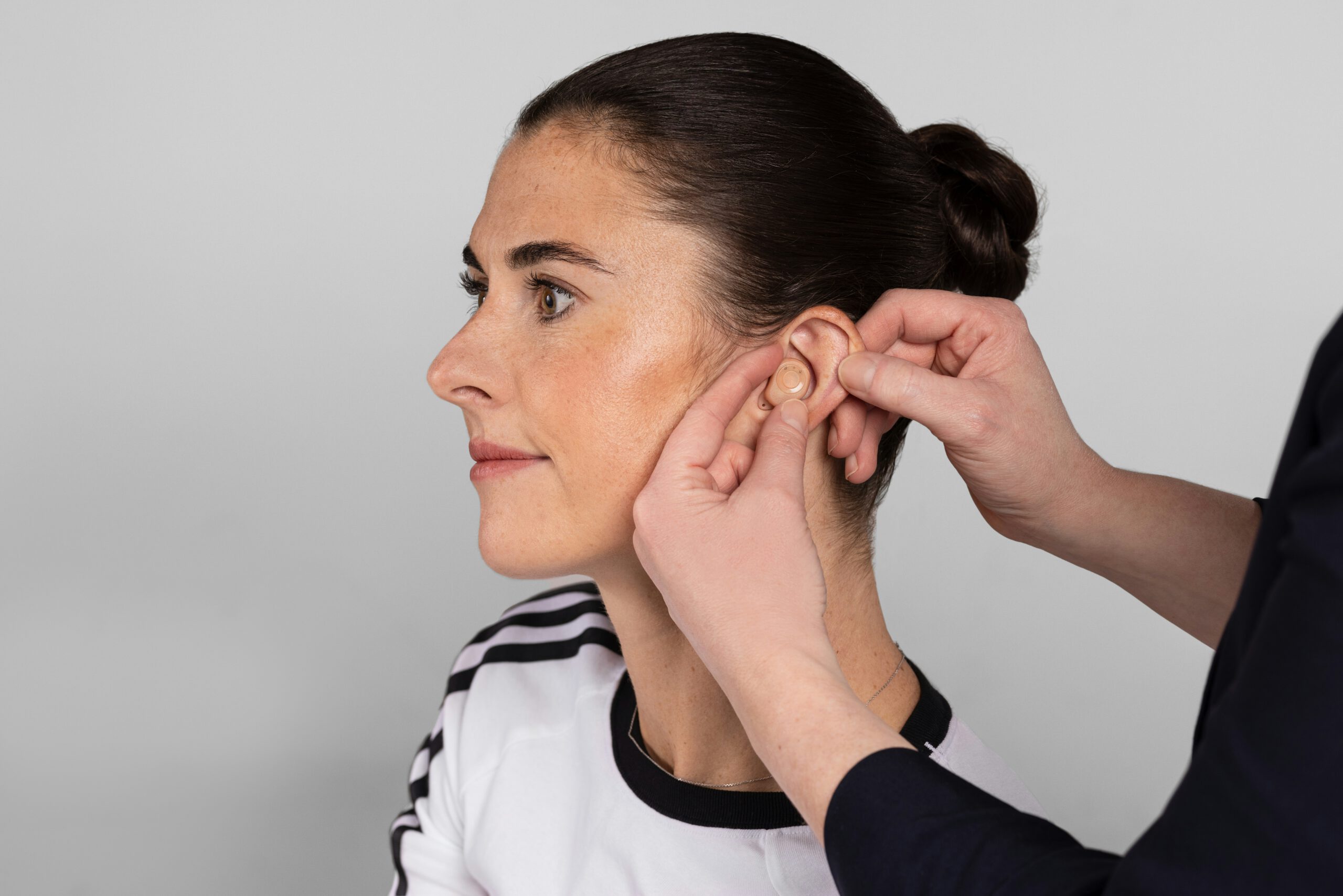
Hearing aids can be particularly helpful for people who experience both tinnitus and hearing loss. By amplifying external sounds, hearing aids can make tinnitus less noticeable while improving communication and participation in daily activities.
A hearing healthcare professional can assess hearing and help determine whether hearing aids are appropriate. Their benefits vary, and they are not a guaranteed cure for tinnitus. Many hearing aids allow for the use of tinnitus management programs and settings to help with comfort.
3. Cognitive Behavioural Therapy (CBT)
Cognitive behavioural therapy is one of the best-supported psychological treatments for bothersome tinnitus. CBT does not necessarily eliminate the sound. Instead, it helps individuals change their responses to tinnitus and reduce the distress associated with it.
During CBT, a trained therapist may help a person identify unhelpful thought patterns, develop coping strategies, manage anxiety, and reduce the effect of tinnitus on daily activities.
A Cochrane systematic review found that CBT may reduce the negative impact of tinnitus on quality of life, with evidence suggesting benefits compared with no intervention and some other treatment approaches (Fuller et al., 2020). The 2026 AAO-HNSF guideline also recommends CBT for adults with persistent, bothersome tinnitus (AAO-HNSF, 2026).
CBT may be especially useful when tinnitus contributes to emotional distress, difficulty sleeping, or reduced quality of life.
4. Sound Therapy and Sound Enrichment
Sound therapy involves using external sounds to make tinnitus less noticeable or easier to tolerate. Options include:
- Fans or white-noise machines.
- Soft background music.
- Nature sounds, such as rainfall or ocean waves.
- Personal sound generators or suitable audio applications.
- Sound features incorporated into some hearing aids.
For example, a person who notices tinnitus more strongly in a quiet bedroom may find that a fan or low-volume background sound makes it easier to fall asleep.
Sound therapy does not work equally well for everyone, and evidence for specific devices and techniques varies. The 2026 clinical practice guideline states that clinicians may recommend sound enrichment as part of an individualized management plan (AAO-HNSF, 2026).
Sounds should be kept at a comfortable, safe volume. The goal is to make tinnitus easier to manage, not to drown it out with loud noise.
5. Tinnitus Retraining Therapy
Tinnitus retraining therapy (TRT) combines counselling with sound therapy. Its aim is to help individuals gradually become less bothered by tinnitus and reduce the attention and emotional responses associated with it.
Treatment generally involves education about tinnitus, strategies for changing responses to the sound, and sometimes the use of low-level sound-generating devices. Some individuals find this approach helpful, although outcomes can vary and the evidence supporting specific TRT protocols is less consistent than the evidence for CBT.
People considering TRT should discuss its potential benefits, limitations, duration, and costs with a qualified professional.
6. Lifestyle Changes and Self-Management
Everyday habits can help people manage tinnitus, particularly when symptoms interfere with sleep or increase during stressful periods. Helpful strategies may include:
- Protecting hearing: Use appropriate hearing protection in loud environments, while avoiding unnecessary use in ordinary, safe sound environments.
- Improving sleep: Maintain a regular sleep schedule and use gentle background sound if silence makes tinnitus more noticeable.
- Managing stress: Try relaxation exercises, physical activity, mindfulness, or other stress-management techniques that feel helpful.
- Maintaining a balanced routine: Continue enjoyable social activities and exercise when possible rather than allowing tinnitus to dictate daily life.
- Reviewing potential triggers: Notice whether particular environments, sleep deprivation, or stress appear to worsen symptoms.
These strategies are not guaranteed to remove tinnitus, but they may help reduce its interference with everyday life. People should also avoid assuming that caffeine or particular foods must be eliminated; dietary changes are best guided by individual experience and professional advice.
7. Medication and Supplements: What Does the Evidence Say?
At present, no medication has been established as a reliable treatment that directly eliminates persistent tinnitus. Medication may still be appropriate for a separate medical condition or for associated problems such as depression or anxiety, when clinically indicated.
However, the 2026 AAO-HNSF guideline recommends against routinely prescribing antidepressants, anticonvulsants, anxiolytics, or intratympanic medications specifically to treat primary persistent tinnitus. It also recommends against using dietary supplements for this purpose (AAO-HNSF, 2026).
Products containing ginkgo biloba, zinc, melatonin, or other ingredients are sometimes marketed as tinnitus cures, but convincing evidence of reliable benefit is lacking. Supplements may also cause side effects or interact with medications.
People should consult a healthcare professional before starting supplements or changing prescribed treatment.
When Should You Seek Medical Attention?
Although tinnitus is often not associated with a serious condition, some symptoms require prompt medical assessment.
Seek urgent medical care if tinnitus occurs alongside sudden hearing loss, particularly when hearing changes develop over hours or a few days. Sudden hearing loss is time-sensitive and should not be left until a routine appointment.
Arrange medical assessment for tinnitus that:
- Pulses in time with your heartbeat.
- Occurs persistently in only one ear.
- Is accompanied by significant dizziness, new hearing difficulties, or other concerning symptoms.
- Begins after a head injury.
- Becomes persistently distressing or substantially interferes with sleep and daily functioning.
The appropriate level of urgency depends on the accompanying symptoms. A healthcare professional can determine whether further investigation is needed.
Conclusion
Tinnitus is the perception of sound without an external source. It can be associated with hearing loss, loud-noise exposure, ear conditions, medications, and other medical factors. Although tinnitus can be frustrating and sometimes significantly affect quality of life, effective management strategies are available.
The most useful approach begins with an appropriate medical and hearing assessment. Depending on the individual’s needs, treatment may include addressing an underlying condition, hearing aids, cognitive behavioural therapy, sound enrichment, or a combination of strategies. While no single treatment works for everyone, many people can learn to manage tinnitus more effectively and reduce its impact on daily life.
If you experience persistent or bothersome tinnitus, speak with a qualified healthcare professional or hearing healthcare professional about an individualized treatment plan. Early assessment, realistic expectations, and evidence-based care can make a meaningful difference.
If you or your doctor suspect hearing loss as a contributing factor, contact us today for hearing evaluation and consult.
No content on this site, regardless of date, should ever be used as a substitute for direct medical advice from your doctor or other qualified clinician.
References
American Academy of Otolaryngology–Head and Neck Surgery Foundation. (2026, October 12). Clinical practice guideline: Tinnitus update. https://www.entnet.org/quality-practice/quality-products/clinical-practice-guidelines/cpg-tinnitus-update/
Fuller, T., Cima, R., Langguth, B., Mazurek, B., Vlaeyen, J. W. S., & Hoare, D. J. (2020). Cognitive behavioural therapy for tinnitus. Cochrane Database of Systematic Reviews, 2020(1), Article CD012614. https://doi.org/10.1002/14651858.CD012614.pub2
National Institute on Deafness and Other Communication Disorders. (n.d.). Tinnitus. National Institutes of Health. https://www.nidcd.nih.gov/health/tinnitus
Tunkel, D. E., Bauer, C. A., Sun, G. H., Rosenfeld, R. M., Chandrasekhar, S. S., Cunningham, E. R., Jr., Archer, S. M., Blakley, B. W., Carter, J. M., Granieri, E. C., Henry, J. A., Hollingsworth, D., Khan, F. A., Mitchell, S., Monfared, A., Newman, C. W., Omole, F. S., Phillips, C. D., Robinson, S. K., … Whamond, E. J. (2014). Clinical practice guideline: Tinnitus. Otolaryngology–Head and Neck Surgery, 151(2 Suppl.), S1–S40. https://doi.org/10.1177/0194599814545325