Hearing aids have a long history, constantly advancing and improving to enhance the lives of those who rely on them for their hearing loss. The history of hearing aid technology reflects a progression from simple mechanical sound collectors to the sophisticated digital and AI-driven devices we use today. Let’s take a walk down memory lane highlighting key technological developments.
Early Mechanical Hearing Devices
17th–19th Century
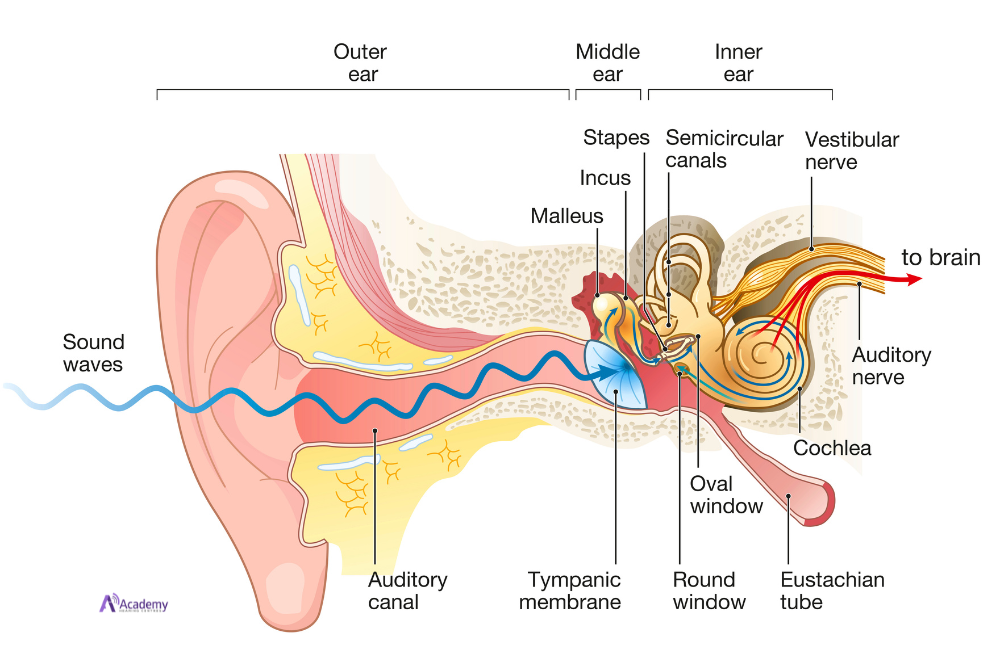
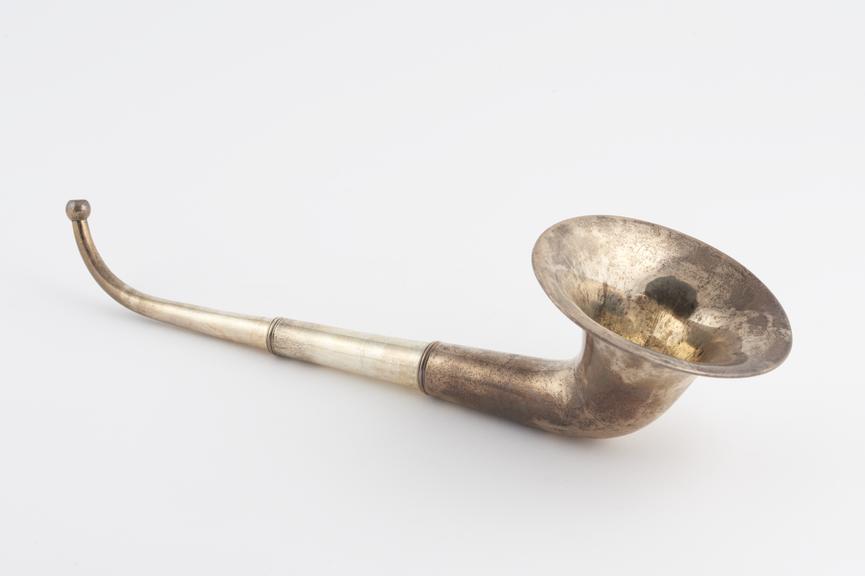
The earliest hearing aids were mechanical devices designed to collect and funnel sound into the ear. The most common of these were ear trumpets, which appeared as early as the seventeenth century. Ear trumpets amplified sound by capturing acoustic energy through a wide opening and directing it into the ear canal (Berger, 1970). During the eighteenth and nineteenth centuries, these devices were produced in various shapes and materials, including metal, glass, and animal horn. Some were disguised as everyday objects such as walking sticks or fans to reduce social stigma associated with hearing loss (Dillon, 2012).
Although ear trumpets provided some improvement in sound perception, their effectiveness was limited because they relied solely on passive acoustic amplification.
Early Electrical Hearing Aids
Late 19th–Early 20th Century
The introduction of electrical technology dramatically changed hearing aid designs. In 1898, inventor Miller Reese Hutchison developed the Akouphone, the first electric hearing aid, which used a carbon transmitter and battery-powered amplifier to increase sound intensity (Berger, 1970). These early electrical devices were influenced by telephone technology and represented a major shift from mechanical amplification to electronic signal processing.
Despite their improved amplification capabilities, early electrical hearing aids were often large and required bulky external batteries, limiting their portability (Dillon, 2012).
Vacuum Tube Hearing Aids
1920s–1940s
The next major technological advancement came with the development of vacuum tube hearing aids in the 1920s. These devices used electronic vacuum tubes to amplify sound signals, significantly increasing amplification power and sound clarity (Dillon, 2012). Early models were body-worn systems, typically consisting of a microphone, amplifier, battery pack, and earphone connected by wires.
Although vacuum tube hearing aids improved performance, their size, fragility, and high power consumption remained significant limitations.
Transistor Hearing Aids
1950s–1960s
The invention of the transistor in 1947 revolutionized hearing aid design. Transistors replaced vacuum tubes, making hearing aids smaller, more energy efficient, and more reliable (Berger, 1970). By the early 1950s, transistor-based hearing aids were commercially available and rapidly replaced vacuum tube models.
This innovation enabled the development of more compact designs, including behind-the-ear (BTE) and in-the-ear (ITE) hearing aids, which greatly improved usability and comfort for users (Dillon, 2012).
Integrated Circuits and Programmable Hearing Aids
1970s–1980s
During the 1970s and 1980s, hearing aids incorporated integrated circuits and microprocessors, allowing for greater control over amplification characteristics. Programmable hearing aids allowed hearing healthcare professionals to adjust device settings electronically rather than through mechanical controls (Dillon, 2012).
These systems improved fitting accuracy and enabled multiple listening programs tailored to different environments. The late 1980s also saw the development of early digital hearing aid prototypes that used digital signal processing techniques (Levitt, 2007).
Digital Hearing Aids
1990s–2000s
The introduction of digital signal processing (DSP) in the 1990s marked one of the most significant advances in hearing aid technology. Fully digital hearing aids convert incoming sound into digital signals that can be processed by sophisticated algorithms before being delivered to the ear (Levitt, 2007).
Digital processing enabled features such as:
- adaptive noise reduction
- feedback cancellation
- directional microphones
- automatic environment detection
These innovations greatly improved speech understanding, particularly in noisy environments.
Modern Smart Hearing Aids
2010s–Present
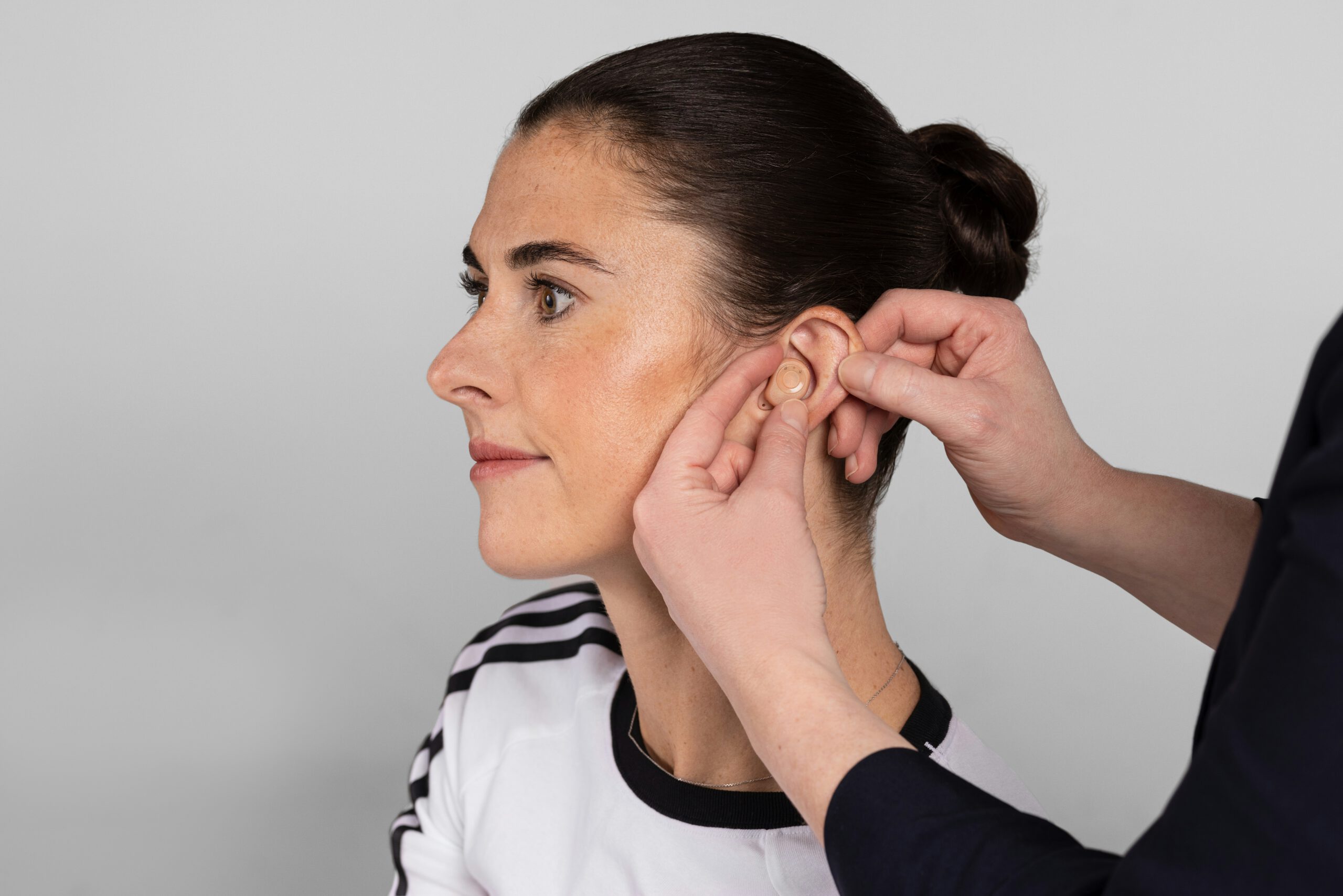
Modern hearing aids are highly advanced wearable devices that integrate wireless communication and artificial intelligence. Most devices now include Bluetooth connectivity, allowing users to stream audio directly from smartphones, televisions, and other devices (Dillon, 2012). Smartphone applications allow users the control to adjust hearing aid settings in varying environments on the go for an optimum listening experience wherever they are.
Recent developments also include machine learning algorithms that adapt amplification patterns to different listening environments and user preferences. Rechargeable batteries, miniaturized components, and improved sound processing have further enhanced usability and performance.
Your Journey
Hearing aid technology has evolved significantly over the past several centuries, transitioning from simple mechanical devices to sophisticated digital systems. Innovations in electronics, microprocessors, and artificial intelligence have dramatically improved the effectiveness, comfort, and accessibility of hearing aids. As research continues, future developments are expected to further integrate hearing aids with consumer electronics and advanced adaptive technologies.
Contact us today for your free, no obligation hearing test and consultation on suitable technologies that fit your budget, needs, and lifestyle.
No content on this site, regardless of date, should ever be used as a substitute for direct medical advice from your doctor or other qualified clinician.
References
Berger, K. W. (1970). The hearing aid: Its operation and development. National Hearing Aid Society.
Dillon, H. (2012). Hearing aids (2nd ed.). Thieme.
Levitt, H. (2007). Digital hearing aids: A tutorial review. Journal of Rehabilitation Research & Development, 44(3), 309–324. https://doi.org/10.1682/JRRD.2006.09.0114
Mudry, A., & Mills, M. (2013). The early history of the hearing aid. Audiology and Neurotology, 18(4), 221–228. https://doi.org/10.1159/000351986
Figure 1
Ear trumpet hearing aid (19th century).Source: Science Museum Group. (n.d.). Ear trumpet hearing aid (Object No. A61381). Science Museum Group Collection Online. https://collection.sciencemuseumgroup.org.uk/objects/co77791/ear-trumpet-hearing-aid